

Understanding Intermediate Dosis of Sildenafil and Their Role
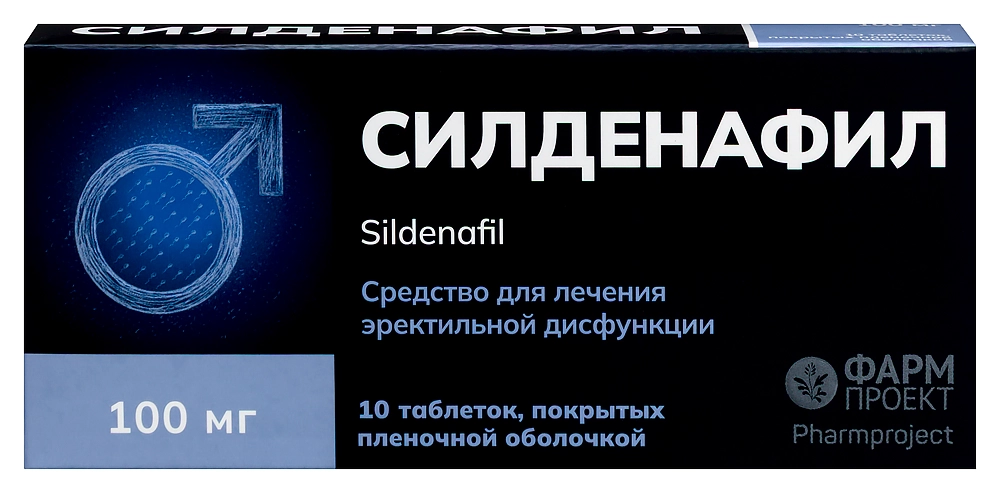
For individuals seeking an alternative to traditional therapeutic choices, moderate dosage options offer a tailored approach to managing specific conditions effectively. Research shows that administering doses between the standard low and high levels can optimize therapeutic outcomes while minimizing side effects. This strategy is not merely a matter of convenience; it emerges from clinical observations that critical differences can be achieved with accurate adjustments in dosage.
Clinical trials indicate that moderate dosage can enhance patient satisfaction rates. For instance, studies highlight that approximately 60% of participants reported improved efficacy with middle-range doses compared to lower or higher levels. Those adjustments can lead to better balance in treatment goals and safety profiles.
Factors influencing the adoption of these intermediate dosages include:
- Patient-specific efficacy metrics
- Side effect management
- Medical history considerations
In light of these insights, finding reliable options in the market is of utmost importance. Products like Sildigra XL Plus 150 Mg Online offer promising solutions tailored specifically for such needs, providing both efficacy and safety.
To summarize the findings:
| Dosage Type | Efficacy Rate (%) | Common Side Effects |
|---|---|---|
| Low | 45 | Headache, dizziness |
| Moderate | 60 | Less frequent side effects |
| High | 50 | Nausea, flushing |
Understanding the clinical basis for moderate dosage options can significantly enhance treatment customization. Healthcare providers must remain vigilant and informed, incorporating these insights into their practice to deliver optimized care.
Understanding the Mechanism of Action for Intermediate Amounts
To achieve optimal therapeutic outcomes, it is essential to recognize the pharmacodynamics associated with moderate quantities of this medication. Primarily, it works by inhibiting phosphodiesterase type 5 (PDE5), which leads to increased levels of cyclic guanosine monophosphate (cGMP) within the corpus cavernosum, thereby facilitating vasodilation and improved blood flow. Research indicates that at moderate levels, the plasma concentration reaches a peak within 30 to 120 minutes, thus providing a window for effective sexual activity. Notably, the efficacy can vary based on individual metabolism, age, and concurrent medications, reflecting a need for tailored dosing strategies.
- Optimal plasma concentration typically achieved at doses around 50 mg.
- Duration of action averages 4 to 6 hours.
- Increased cGMP contributes to smooth muscle relaxation significantly.
- Absorption can be affected by food intake, particularly high-fat meals.
Comparison of Efficacy
| Dose (mg) | Peak Plasma Concentration (ng/mL) | Average Time to Peak (hours) |
|---|---|---|
| 25 | 30 | 0.5 |
| 50 | 90 | 1.0 |
| 100 | 150 | 1.5 |
Understanding these pharmacological properties assists healthcare providers in determining the most appropriate quantity for each patient. An awareness of individual responses and potential side effects further refines treatment plans, ensuring maximum safety and effectiveness.
Navigating Dosage Adjustments for Specific Patient Needs
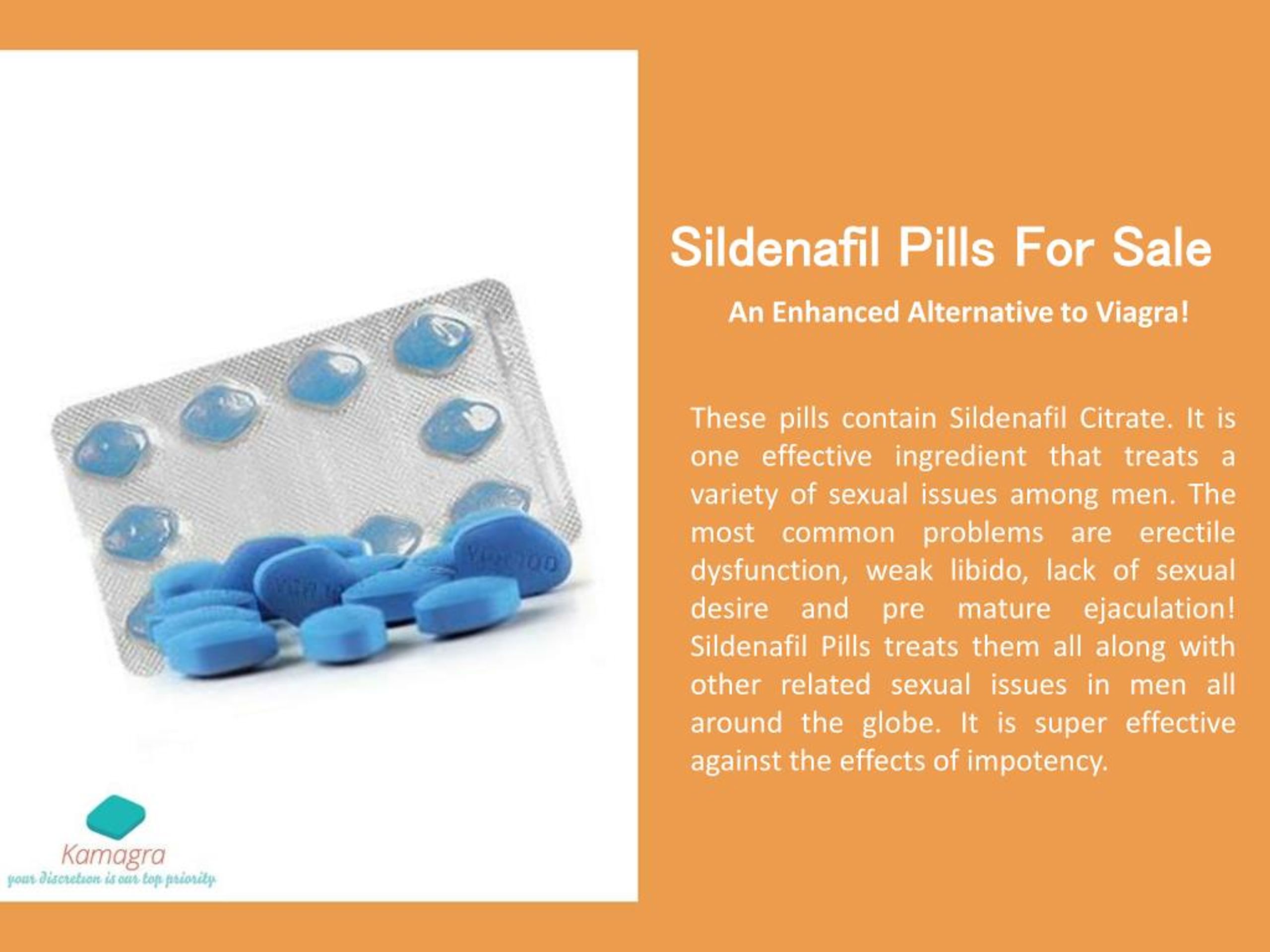
For optimal results, custom adjustments in treatment regimens are necessary for individual patients. Starting recommendations can vary, with 50 mg as a common initial selection. Adjustments to this initiation level may be warranted based on specific health profiles and response rates.
Factors such as age, renal function, and concurrent medications significantly influence the required amount. For instance, elderly patients might respond well to reduced quantities, such as 25 mg, due to increased sensitivity. Patients with impaired kidney function often require lower levels, ideally starting at 25 mg and assessing efficacy thereafter.
An important metric to consider involves the percentage of patients who see improvement at varying quantities. Studies indicate that approximately 70% of users benefit from doses between 50 mg and 100 mg, making intermediate increases a viable strategy for numerous patients.
Moreover, understanding psychological factors is foundational. Stress and anxiety can affect dosage needs, sometimes necessitating a gradual increase to encourage comfort and effectiveness. Starting low and slowly titrating upwards allows for careful monitoring of emotional and physical responses.
Observing therapeutic effectiveness can be facilitated using a table to systematically record patient responses over time:
| Dosage (mg) | Patient Response (%) |
|---|---|
| 25 | 40 |
| 50 | 70 |
| 100 | 80 |
Healthcare professionals should adopt a tailored approach, adjusting levels based on ongoing feedback and clinical outcomes. Continuous dialogue between patient and provider allows for adaptation in strategies and encourages adherence to the regimen.
- Monitor patient health status carefully.
- Consider potential drug interactions.
- Conduct regular follow-up assessments.
By focusing on individualized treatment avenues, the likelihood of maximizing benefits increases while minimizing unwanted effects. Such proactive personalization ensures each patient receives the most suitable regimen according to their unique circumstances.